If your yard could use a bit of cheer, the right flower beds are usually the answer. You’ll get 26 ideas here for arranging blooms, ensuring your outside space looks good and brightens up every season.
Layered Flower Beds That Create a Full Border

Source: ctbetterhs.com
For a full, abundant border, plant flowers in graduated layers. Place your tallest, fullest flowers at the back, with a dense middle layer of smaller blooms next. Tiny blossoms then form a low-growing edge along the front.
Plant Solid Blocks of Tulips for Bold Color

Source: pixabay.com
Planting tulips in solid blocks of a single color creates a distinct patch of bright petals against the surrounding lawn or other garden elements.
Layer Plants for Depth with Hostas and Impatiens

Source: hometalk.com
Plant taller, leafy hostas behind a row of smaller, colorful impatiens. This creates a difference in height and foliage. Mulch covers the ground beneath them.
Tree Stump Planter for a Natural Garden Focal Point

Source: thegardeningcook.com
A hollowed tree stump becomes a planter. Its top and surrounding base are filled with a mix of flowers and greenery.
Flower Bed Design Mimics Petals Around a Central Cluster
Source: alternative.net.br
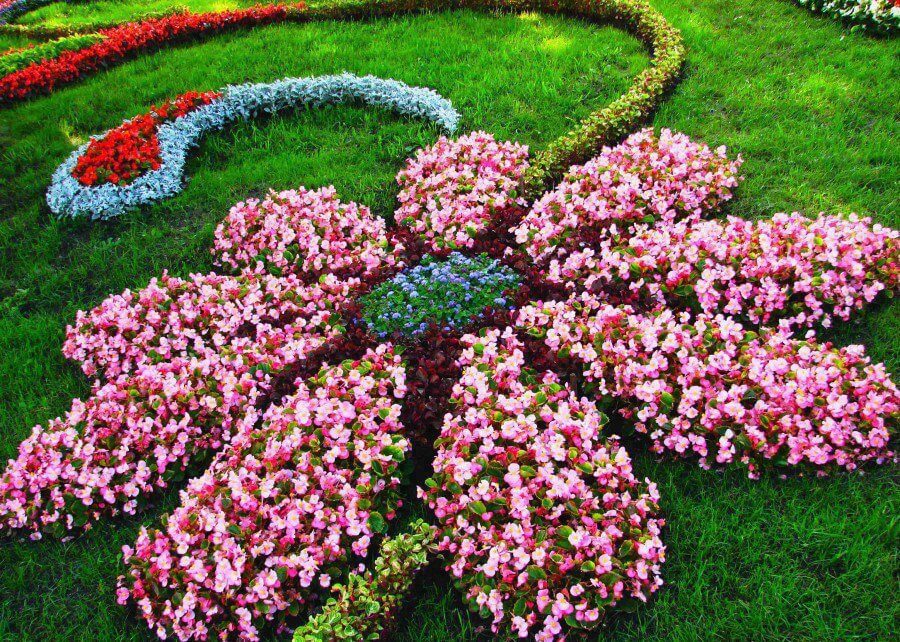
To shape a flower bed like petals, arrange plants in a radial pattern. You’ll use masses of pink begonias to form large, rounded ‘petals’ around a smaller center of blue flowers and dark foliage.
Log Planter Filled With Bright Spring Blooms

Source: pinterly.com
A large, hollowed-out tree trunk becomes a rustic planter. It overflows with colorful spring flowers, like daffodils and hyacinths. The natural container holds them right in the garden space.
Pair White Roses with a Lavender Border

Source: chiclittlehouse.com
White roses stand at a garden’s edge, paired with a low border of lavender. The lavender’s deep purple blooms highlight the delicate white flowers of the roses.
Layered Hosta and Chives Create a Textured Garden Border

Source: flickr.com
Plant a variegated hosta, with its thick, mounding habit, at the front of your garden bed. Then, tuck clumps of ornamental chives in front of larger plants. Finish the arrangement with a few smooth river stones.
Soften Edges with a Curved Retaining Wall

Source: ideas.wursttex.com
If your flower bed needs a soft, curving edge, build a tiered retaining wall from interlocking concrete blocks. The varied block shapes define the perimeter.
Define Beds with Light-Colored Gravel Paths
Source: gardendesign.com
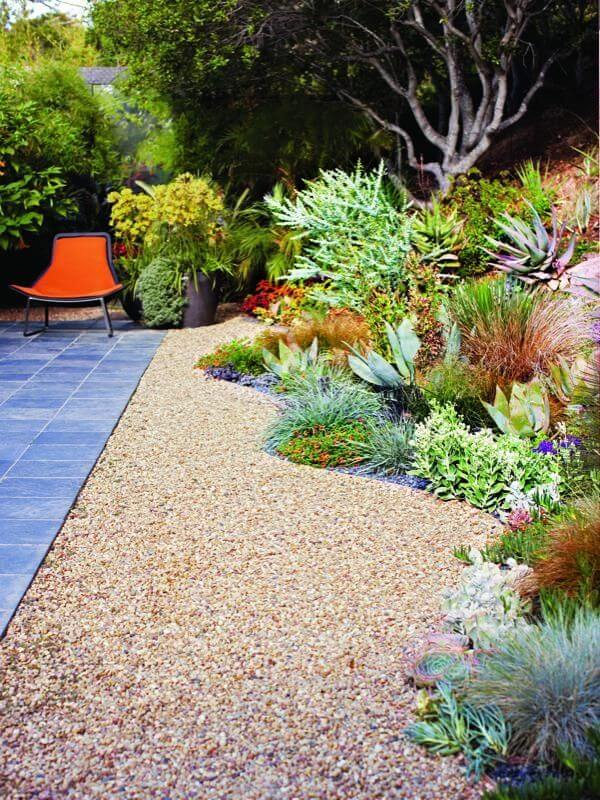
Between the patio and densely planted garden beds, a path of light-colored gravel creates a clear separation. The gravel material has a distinct texture.
Terracotta Pots for Tulips Bordering a Stone Path

Source: sequingardens.org
Simple terracotta pots, with their warm, earthy tone, are a good choice for tulips. Plant the tulips directly in these pots. Then, arrange them along a pathway, amidst surrounding river stones.
Overflow a Wheelbarrow with Colorful Blooms

Source: fur.press
Fill a vintage wheelbarrow until it overflows with colorful petunias and other flowers. Let it sit right in your garden bed.
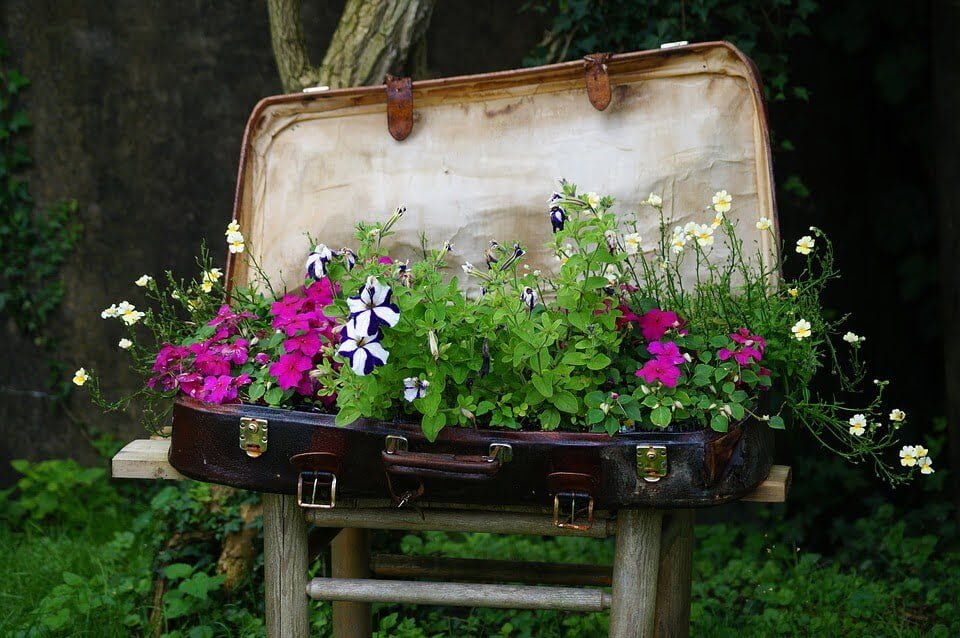
Repurpose a Suitcase as a Quirky Planter
Source: pixabay.com
An old suitcase filled with colorful flowers and greenery becomes a garden feature, lending nostalgic charm and personality to the outdoor space.
Cascade Pink Petunias from a Window Box

Source: plantas.facilisimo.com
Pink petunias spill from a window box, covering a brick facade with their blooms. This hanging planter extends from the exterior wall.
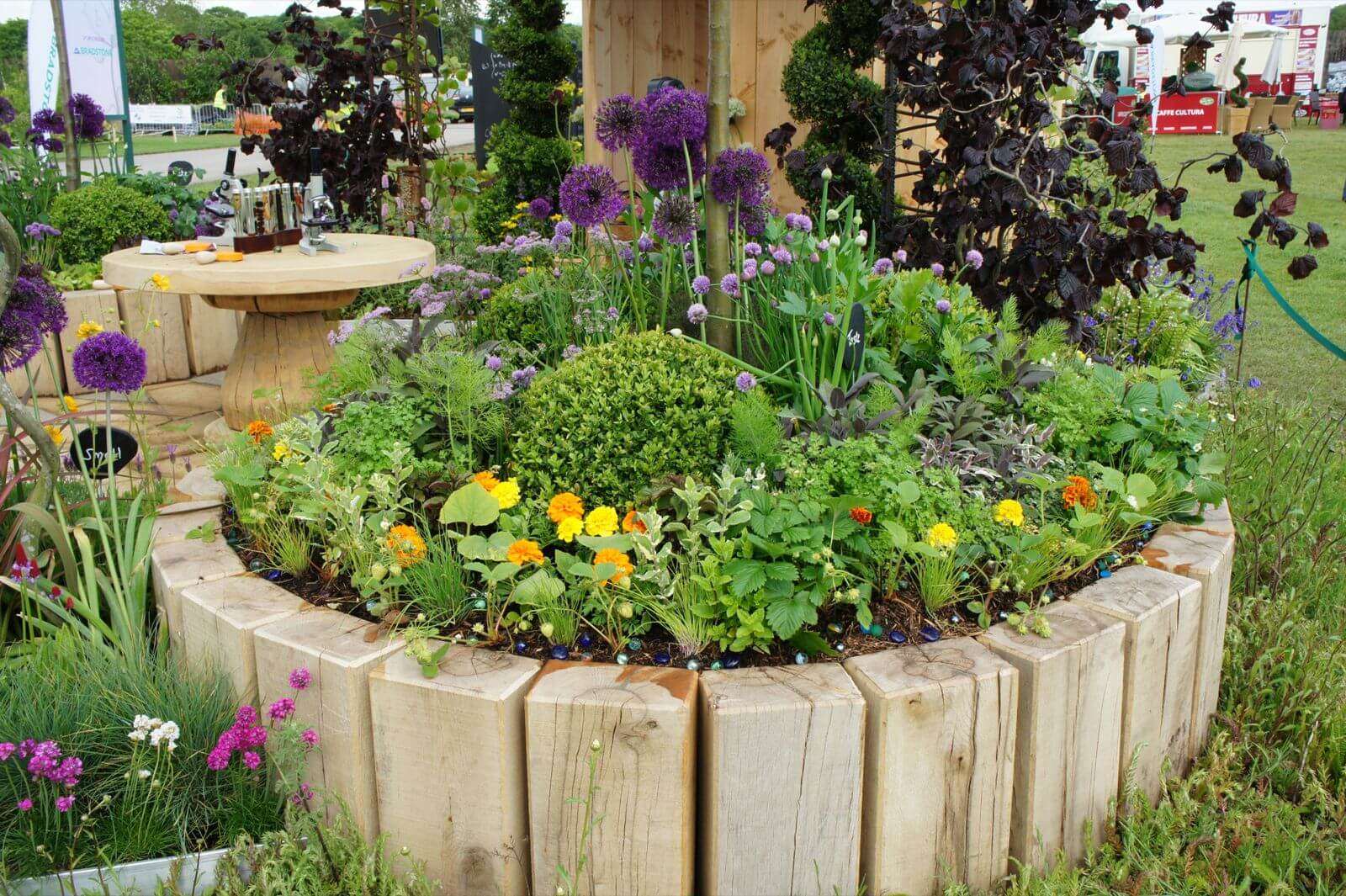
Log Edging Creates a Rustic Raised Flower Bed
Source: classia.net
For a raised garden bed, use thick, weathered logs to create a circular border. You can scatter small blue glass beads along the top edge.
Stagger Terracotta Pots for a Layered Border

Source: housely.com
Along your garden bed’s edge, stagger terracotta pots of varying sizes. House smaller plants or seedlings in them.
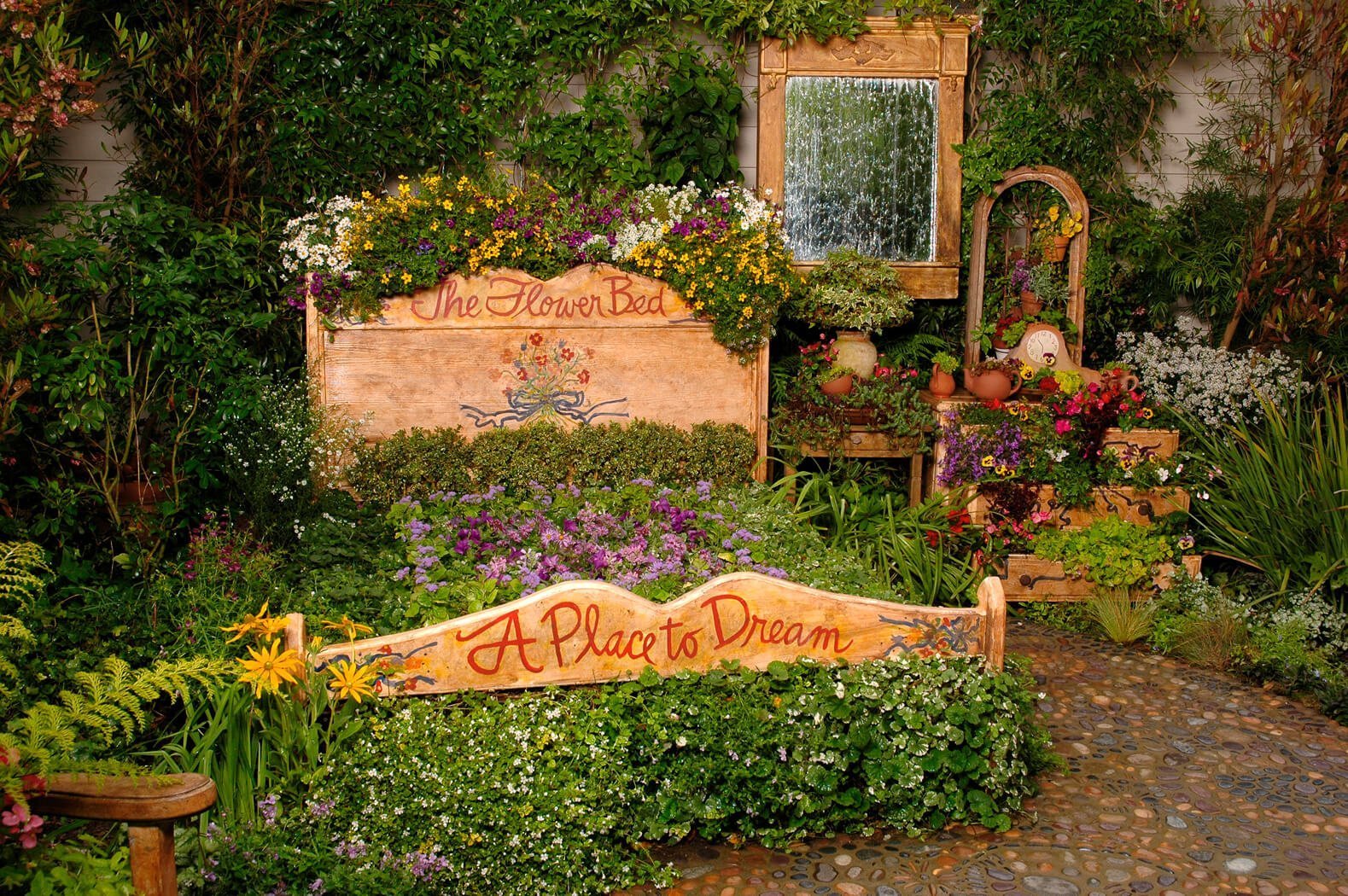
Wooden Headboards Repurposed as Flower Bed Edging
Source: forums2.gardenweb.com
When your flower beds need new edging, repurpose old wooden headboards. You can paint these pieces or leave their finish natural.
Hydrangeas Create a Soft, Undulating Border

Source: fur.press
Along your lawn, large clusters of hydrangeas make a natural, undulating border. They’re available in shades of pink, blue, and purple. The many colors and rounded flower heads create a gentle, billowy effect that softens the garden’s edge.
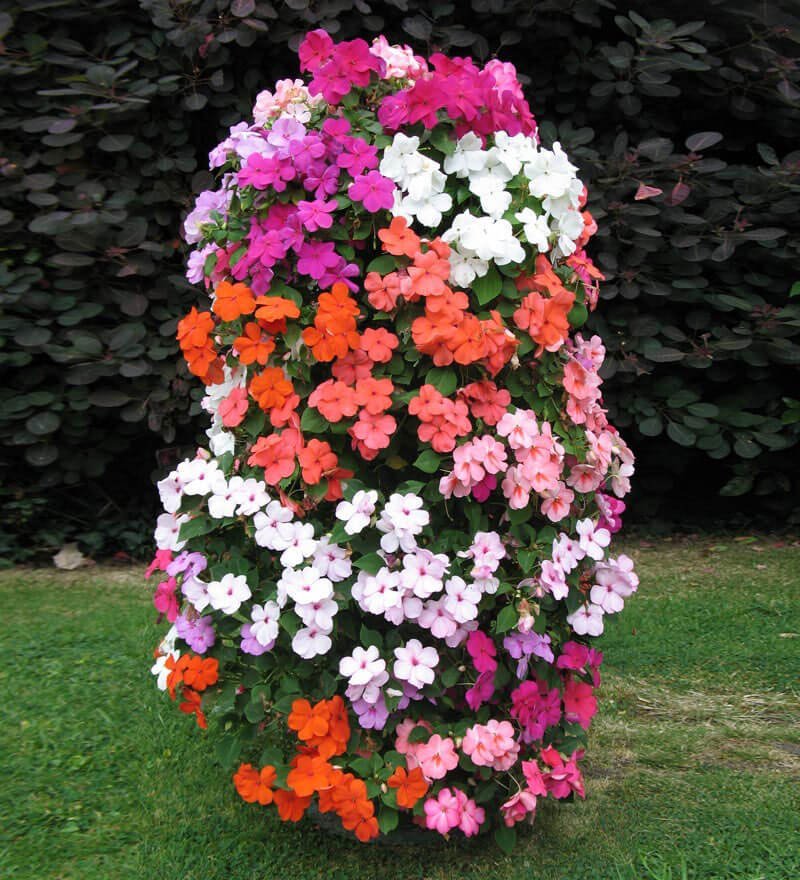
Mound a Tall Planter with Mixed Impatiens
Source: groweris.com
The tall, mounded shape of a planter holds a variety of impatiens. These flowers come in shades of pink, white, and orange.
Plant Vertically on Angled Lattice

Source: theidearoom.net
Repurposed wooden lattice, angled against a wall, holds cascading pink, white, and yellow flowers.
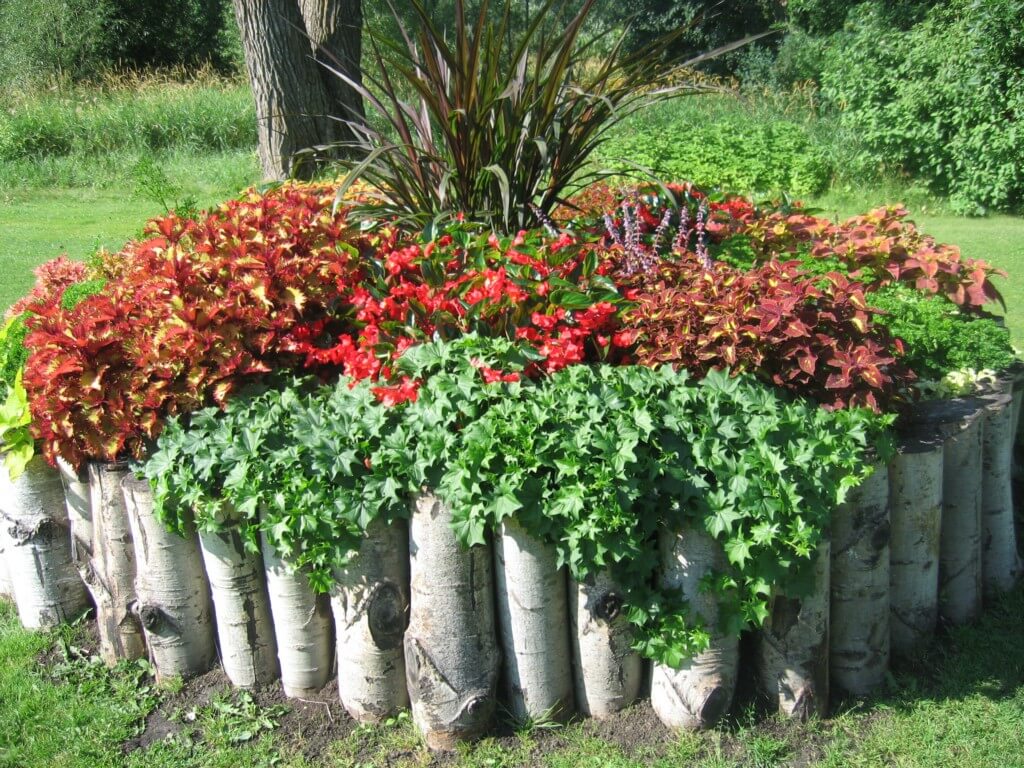
Form a Circular Bed with Upright Birch Logs
Source: home.texasdinnercruise.com
If your garden needs a raised border, arrange cut birch logs vertically to define the space. This natural material creates a slightly raised profile.
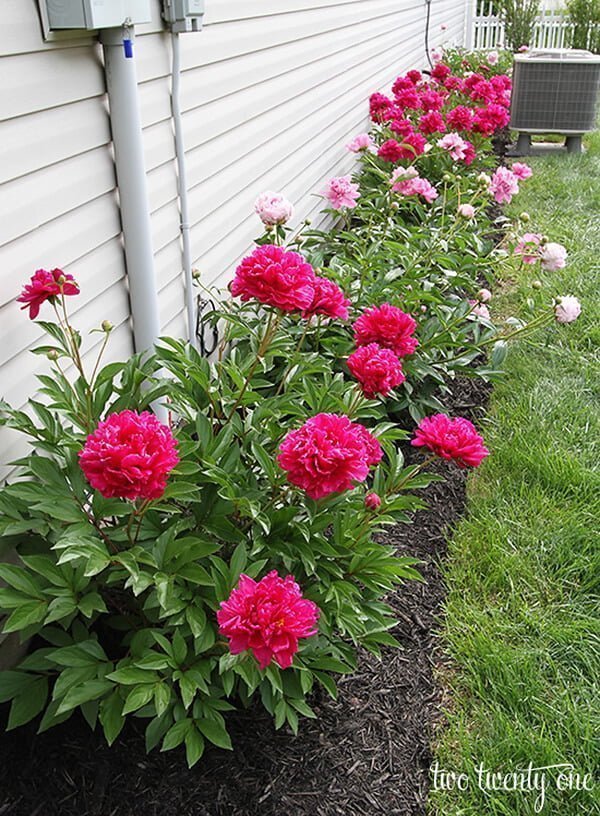
Dense Peony Blooms Create a Garden Border
Source: twotwentyone.net
Plant large clumps of peonies close together to make a thick, continuous border where their abundant foliage and full blooms sit dramatically against house siding.
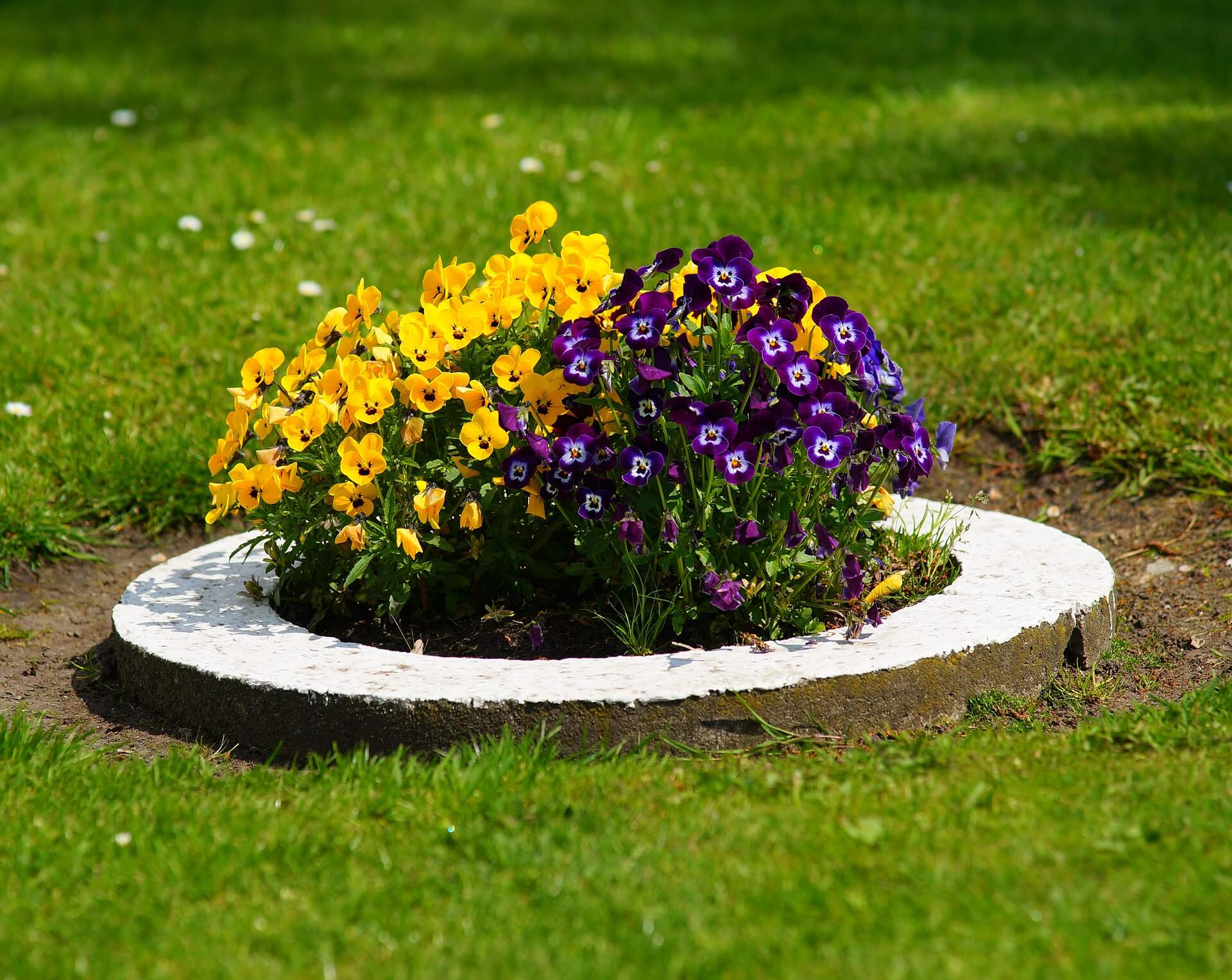
Define a Small Bed with a Concrete Ring
Source: pixabay.com
A low ring of concrete defines a small circular flower bed. It keeps bright yellow and purple pansies contained within the lawn.
Plant Deep Pink Roses for a Bold Edge

Source: howardrice.co.uk
If you’re planting a garden border, set deep pink roses close together. Their dense blooms and rich color stand out against softer garden elements.
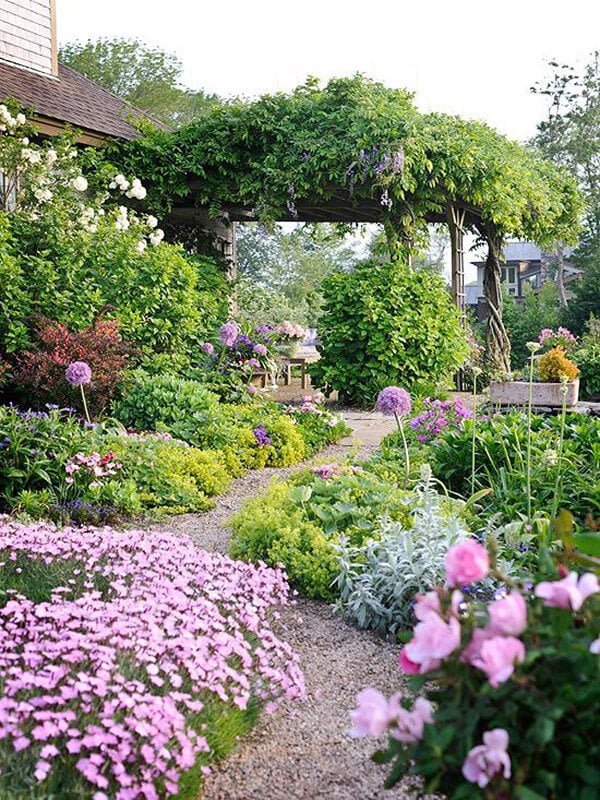
Frame an Entrance with a Wisteria-Draped Arbor
Source: bhg.com
A wooden arbor, covered in wisteria vines, frames a garden path. It leads into a flower-filled space.
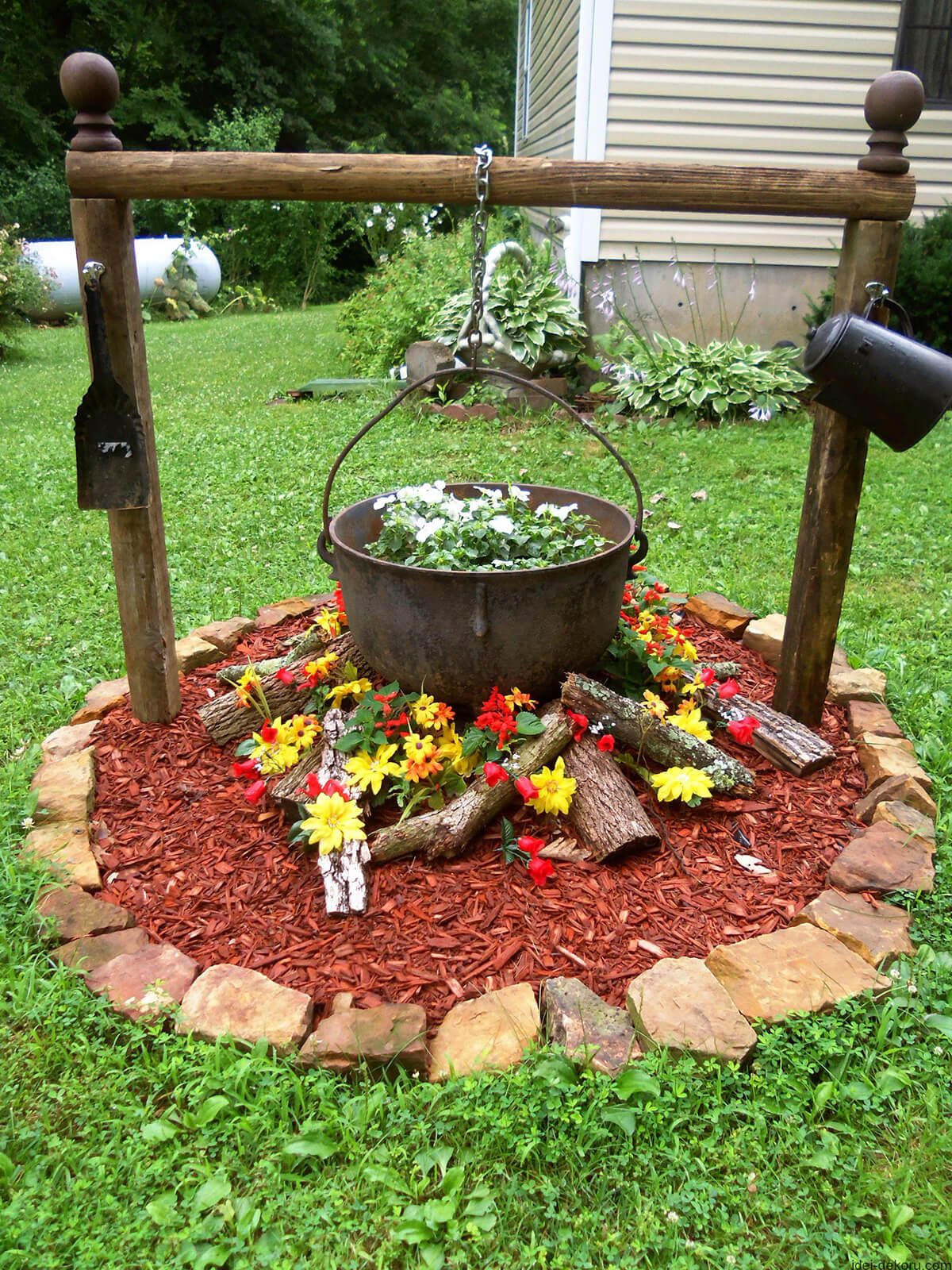
Cast Iron Cauldron Becomes a Rustic Flower Bed Centerpiece
Source: woohome.com
Place a vintage cast iron cauldron, filled with white blooms and ivy, at the center of your planting area. It’s surrounded by logs, colorful flowers, and stone edging. The cauldron rests atop red mulch, forming a rustic centerpiece.